Francis Bacon
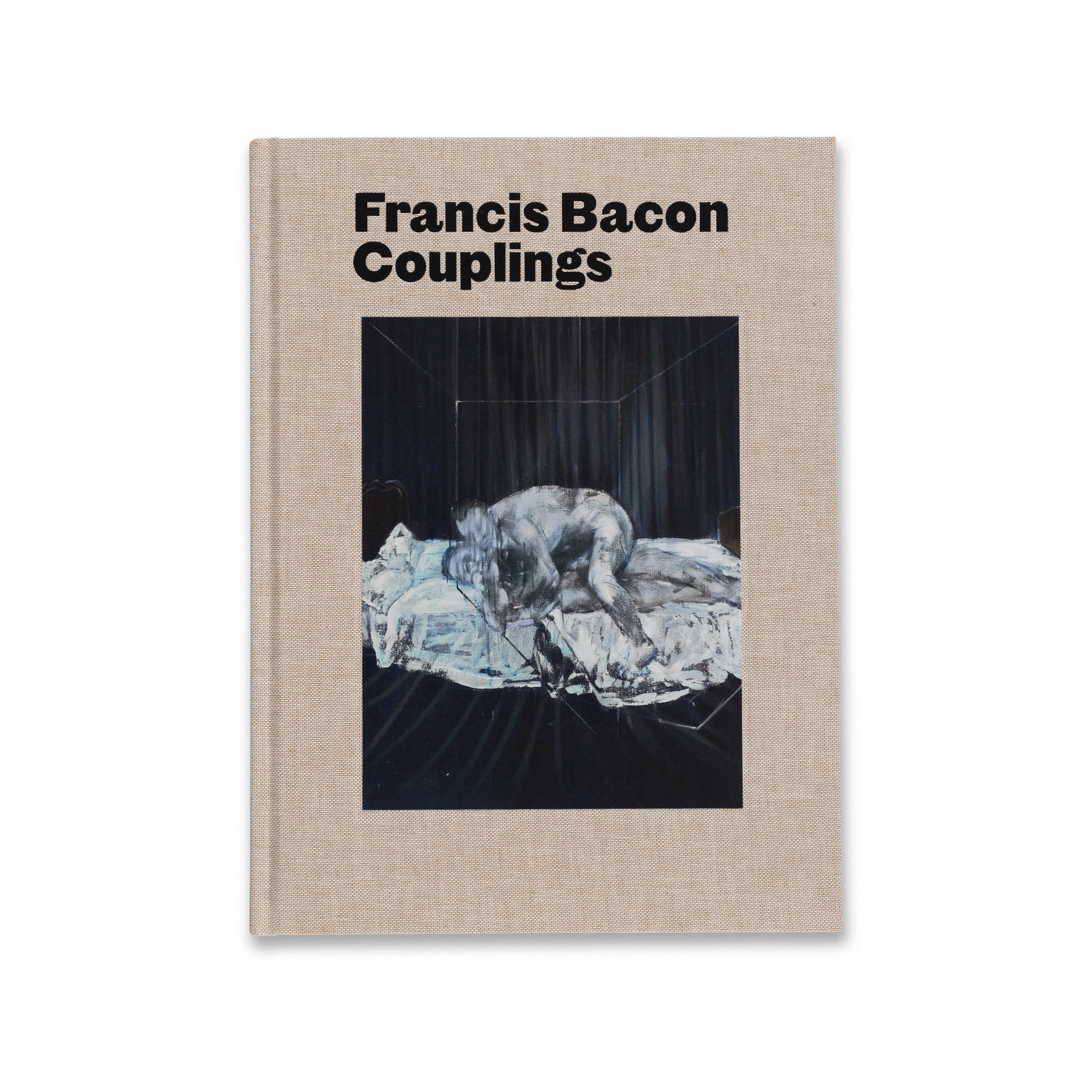
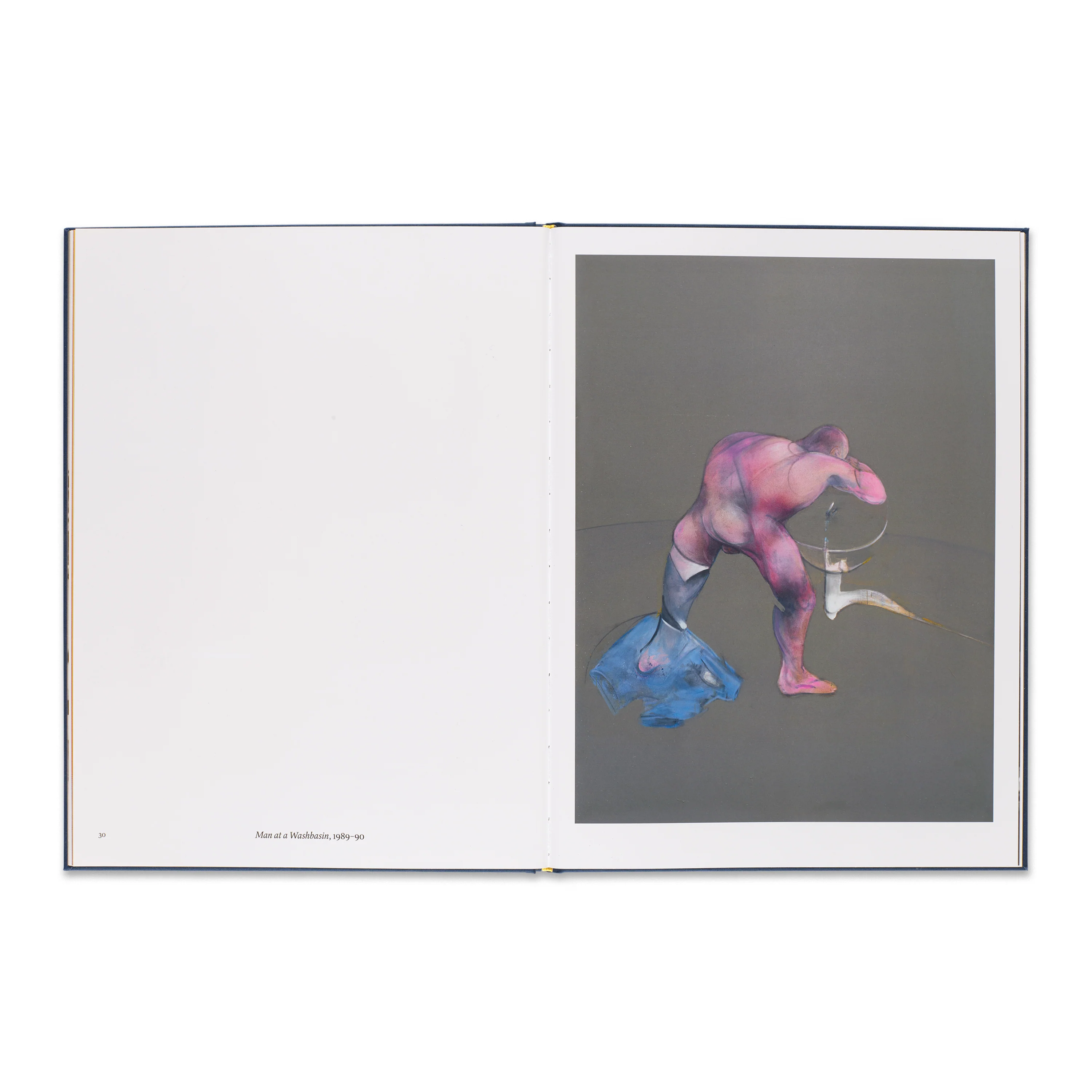
This book was published on the occasion of Francis Bacon at Gagosian, rue de Castiglione, Paris, an exhibition of three major late paintings by the artist: Study from the Human Body—Figure in Movement (1982), Study from the Human Body (1986), and Man at a Washbasin (1989–90). These works crystallize the radical economy and psychological intensity of Bacon’s final period while reaffirming his dialogue with the French capital. One of the most incisive painters of the twentieth century, Bacon collapsed the boundaries between modernity and tradition. His figures—at once constrained and exposed—convulse against grounds of saturated color, rendering the human body as a site of existential tension.
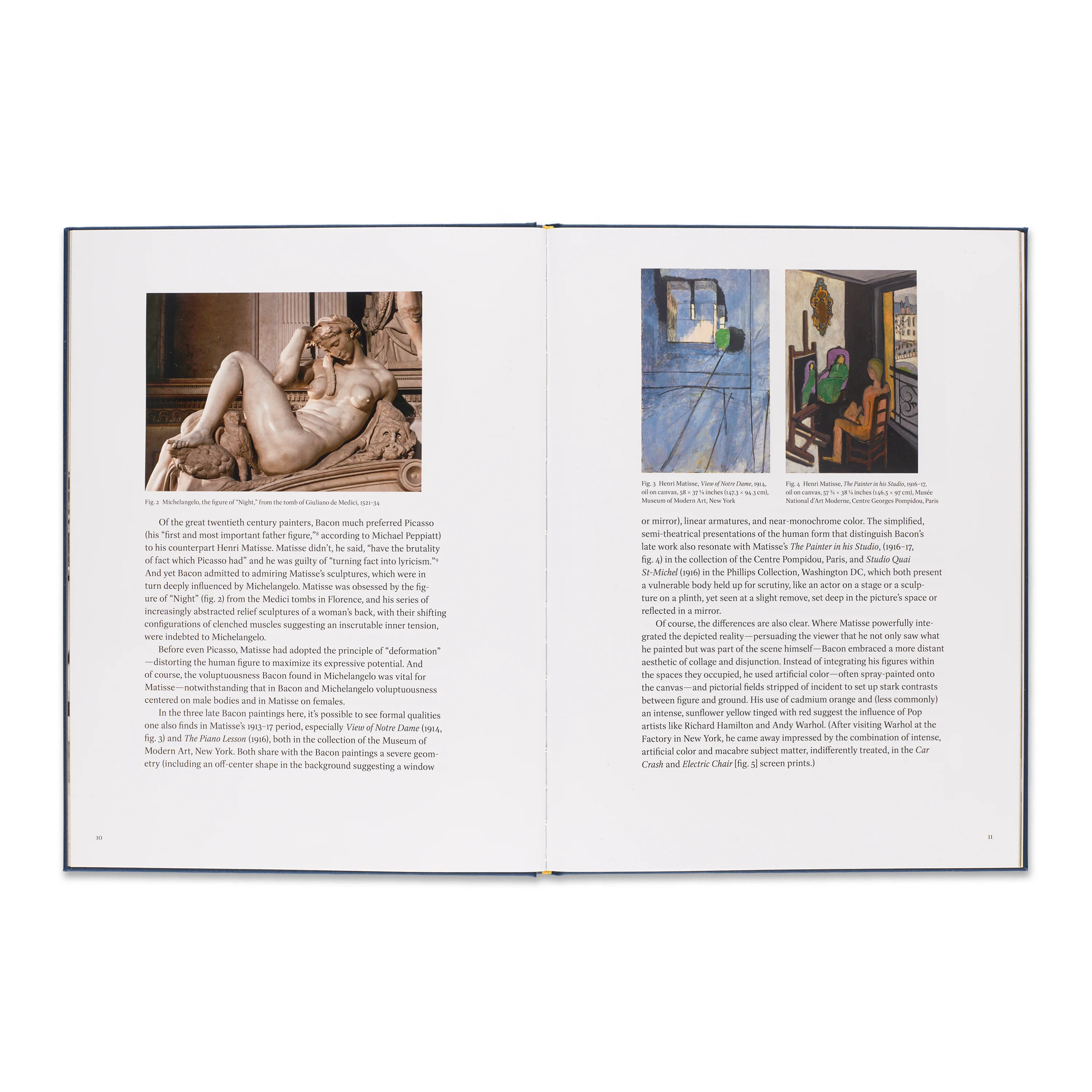
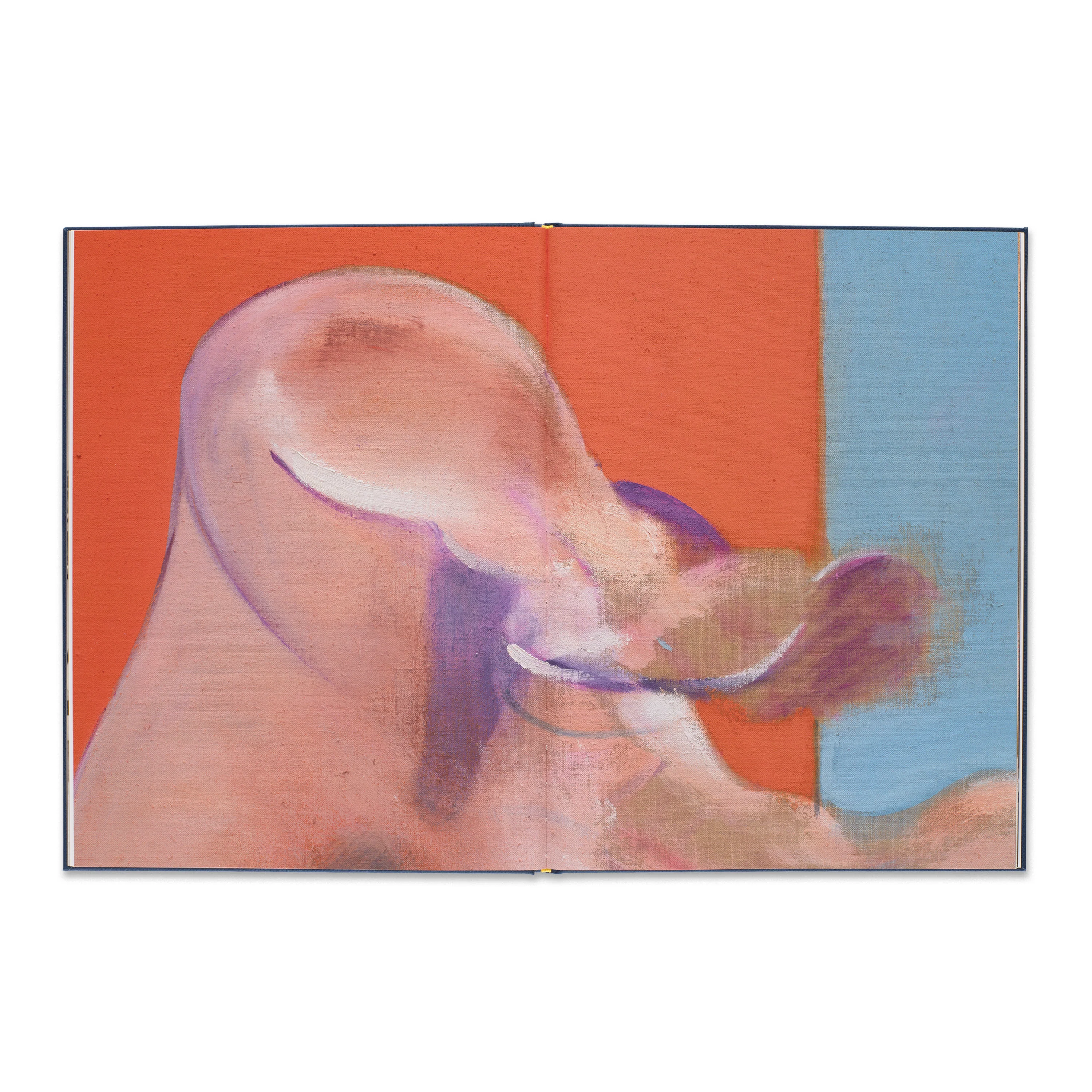
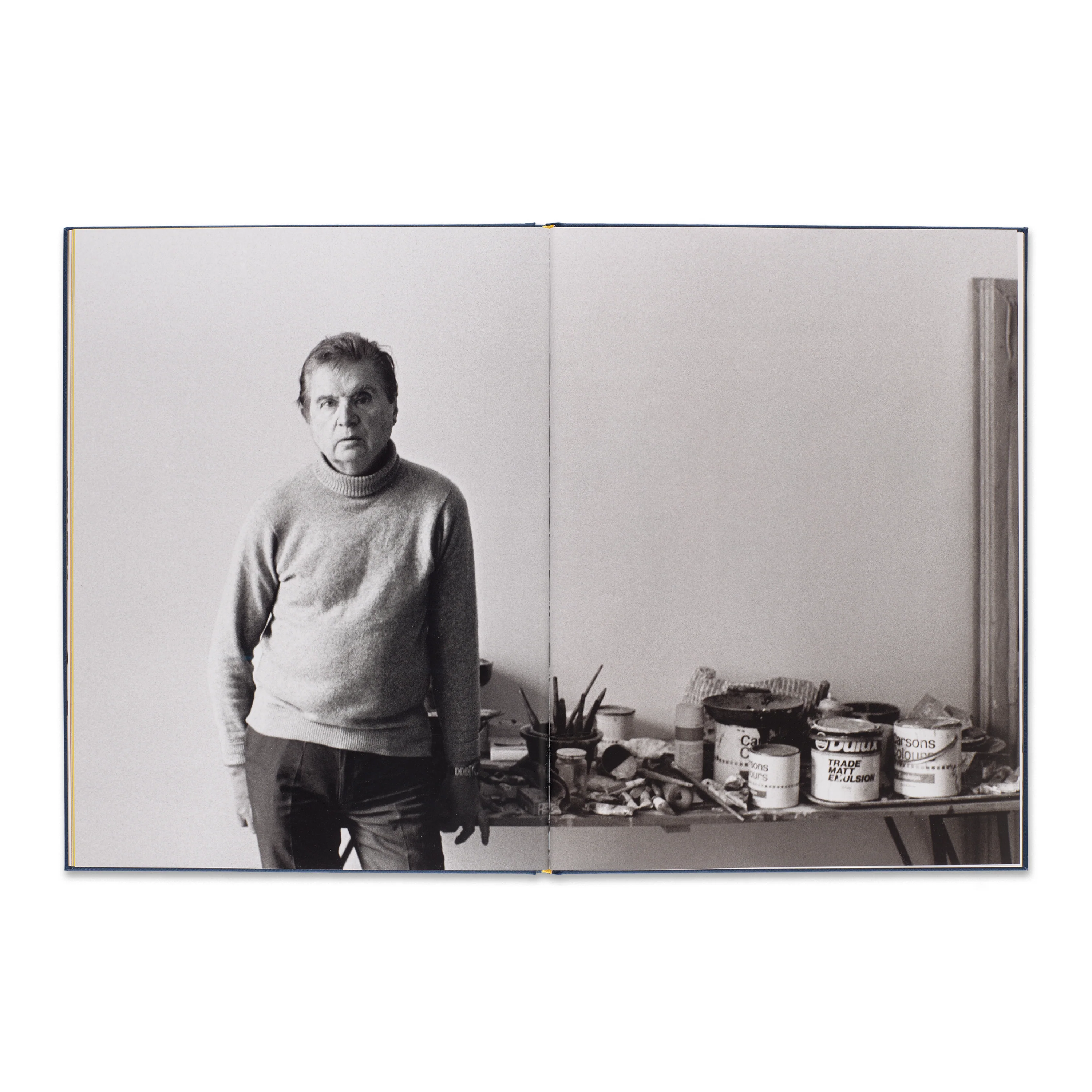
The catalogue features color plates and details of the three paintings, as well as black-and-white photographs of the artist in his Paris studio. An essay by Sebastian Smee explores Bacon’s fascination with the human form and describes the artists—both classical and modern—who shaped his understanding of “realism.” An essay by Richard Calvocoressi and individual artwork texts by Gillian Pistell trace the specific iconography, historical sources, and technical construction of the featured works, positioning them within Bacon’s oeuvre, the visual culture of his time, and the canon of Western art.
Original: $50.00
-65%$50.00
$17.50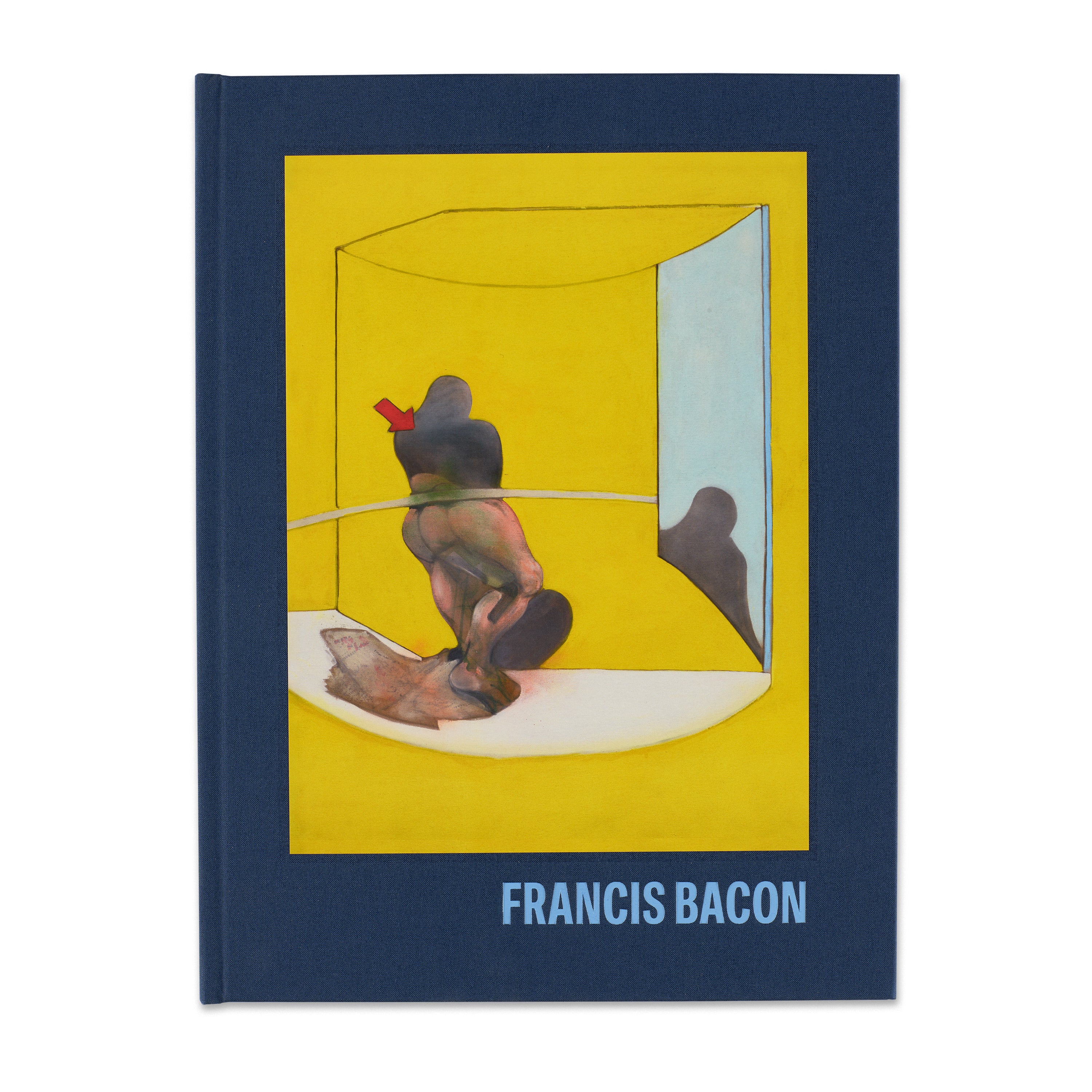
Description
This book was published on the occasion of Francis Bacon at Gagosian, rue de Castiglione, Paris, an exhibition of three major late paintings by the artist: Study from the Human Body—Figure in Movement (1982), Study from the Human Body (1986), and Man at a Washbasin (1989–90). These works crystallize the radical economy and psychological intensity of Bacon’s final period while reaffirming his dialogue with the French capital. One of the most incisive painters of the twentieth century, Bacon collapsed the boundaries between modernity and tradition. His figures—at once constrained and exposed—convulse against grounds of saturated color, rendering the human body as a site of existential tension.
The catalogue features color plates and details of the three paintings, as well as black-and-white photographs of the artist in his Paris studio. An essay by Sebastian Smee explores Bacon’s fascination with the human form and describes the artists—both classical and modern—who shaped his understanding of “realism.” An essay by Richard Calvocoressi and individual artwork texts by Gillian Pistell trace the specific iconography, historical sources, and technical construction of the featured works, positioning them within Bacon’s oeuvre, the visual culture of his time, and the canon of Western art.