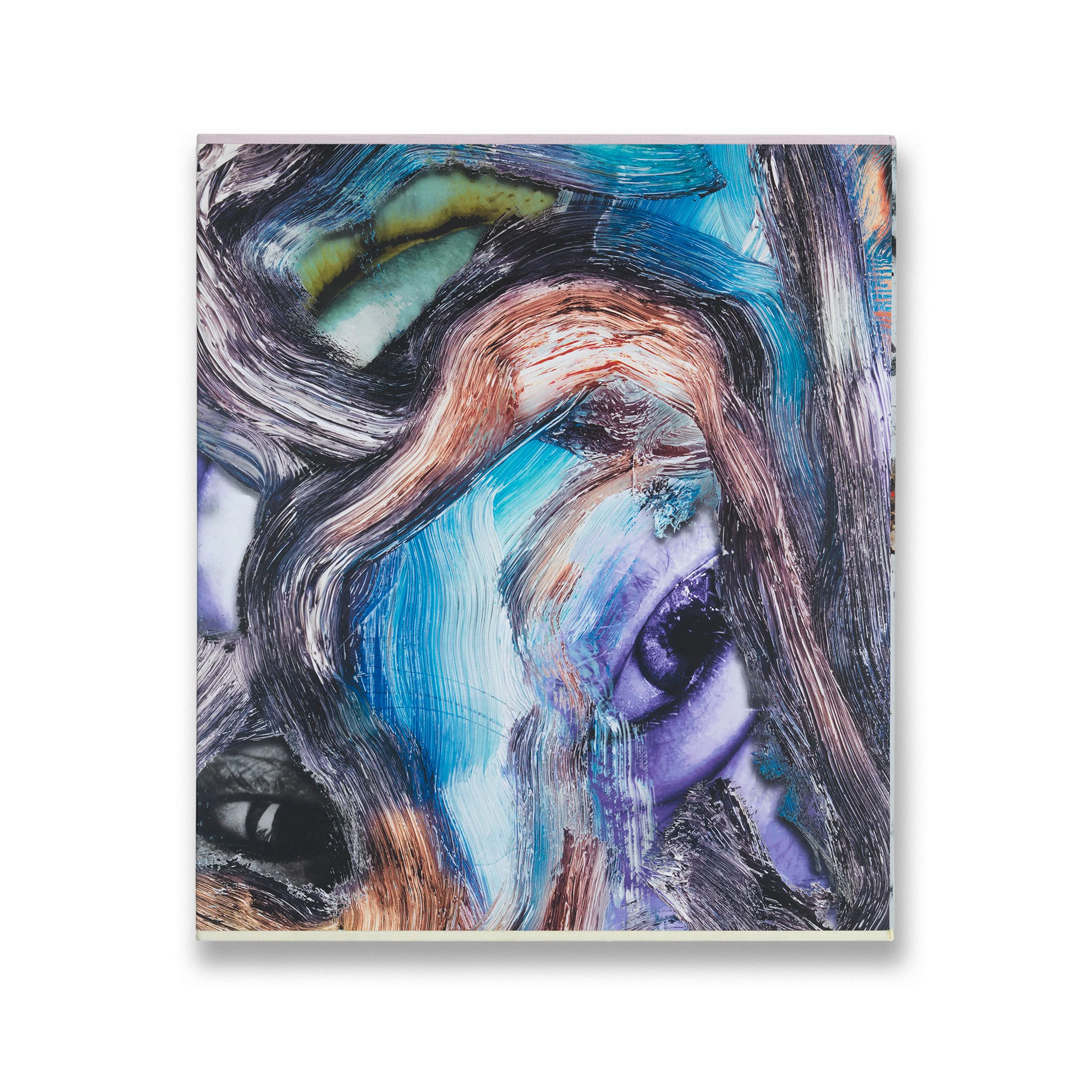
Tatiana Trouvé: The Strange Life of Things
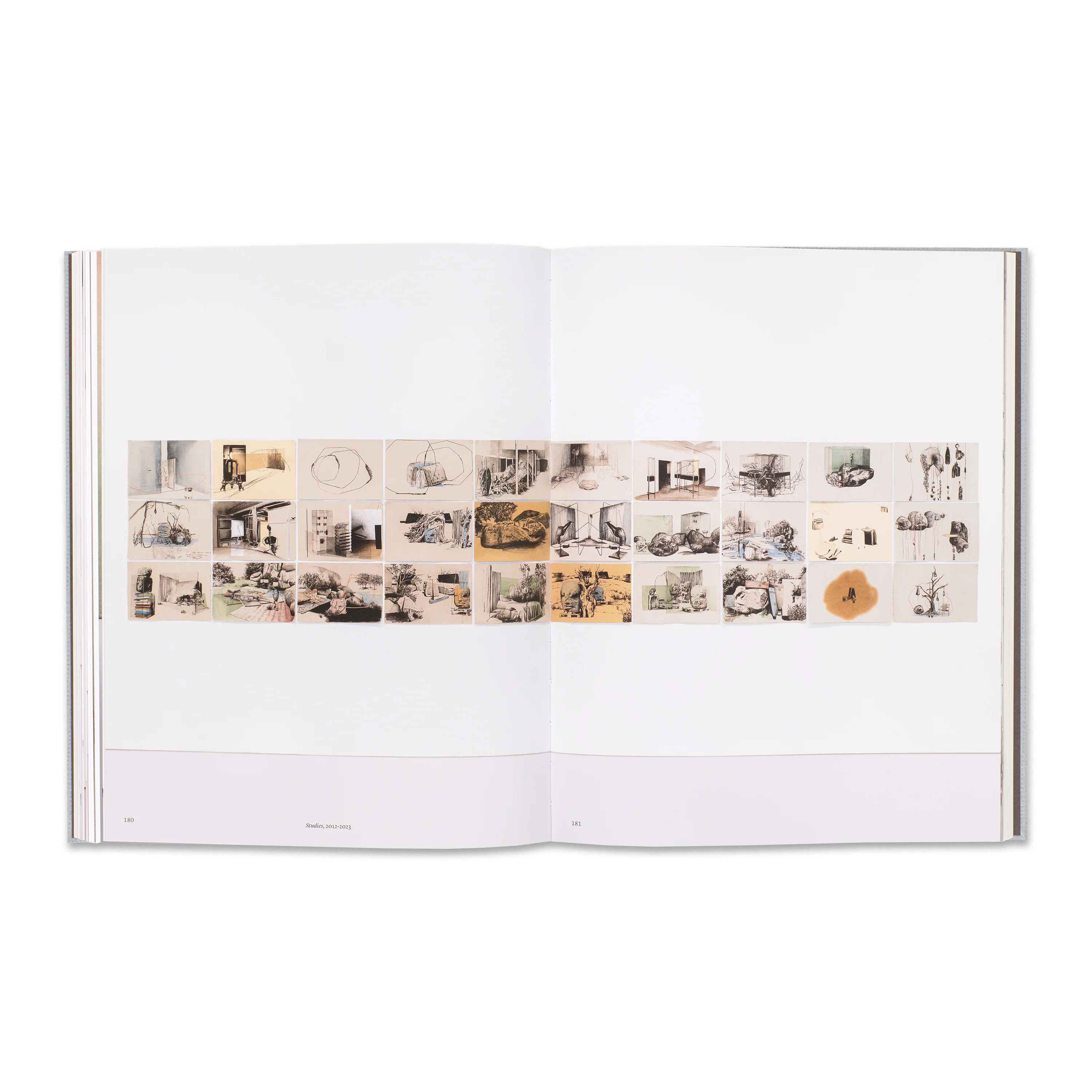
This book was published on the occasion of Tatiana Trouvé: The Strange Life of Things at Palazzo Grassi, Venice. Organized in close collaboration with the artist, the exhibition is Trouvé’s largest to date, with works drawn from the Pinault Collection, international museums, and private collections, as well as the artist’s own archive. A constellation of new sculptures, large-scale drawings, and site-specific installations was arrayed across Palazzo Grassi’s three floors, alongside works from the past decade.
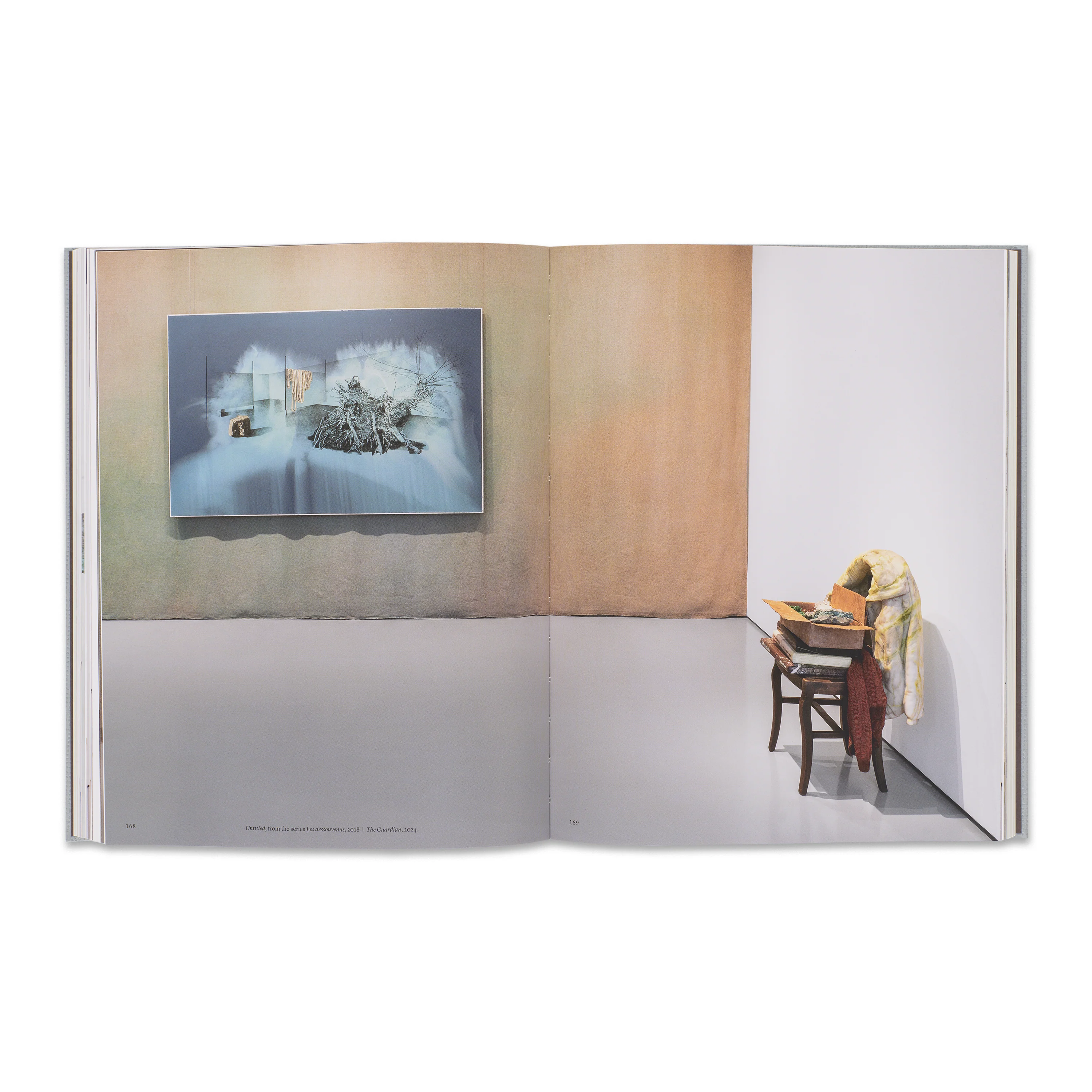
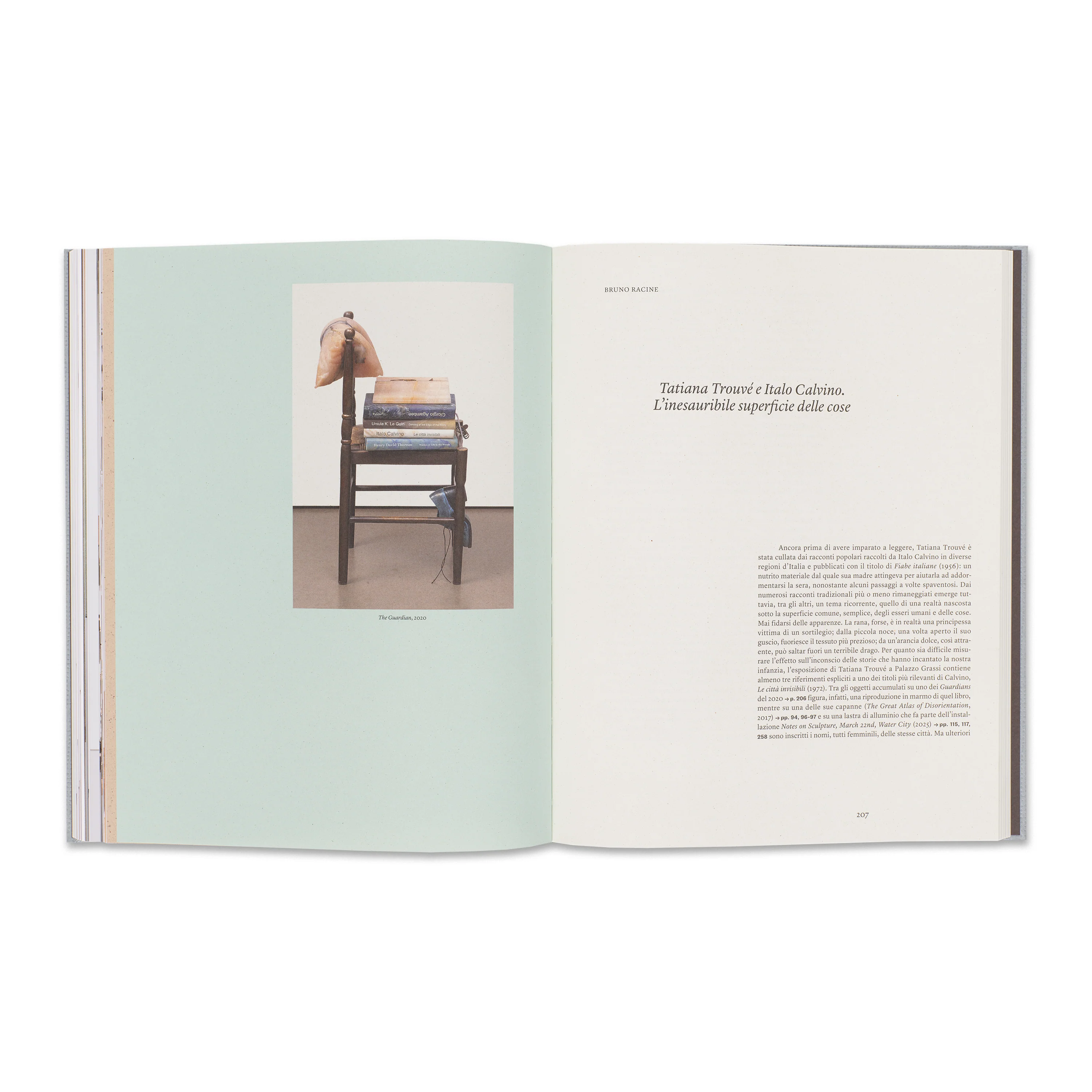
Fully illustrated with reproductions of over two hundred exhibited works, the trilingual (English/French/Italian) book also includes numerous texts providing insight on the artist’s practice. Following forewords by François Pinault and Bruno Racine, a conversation between Trouvé, Caroline Bourgeois, and James Lingwood explores the artist’s work in terms of transformation, displacement, circulation, and regeneration. Emma Lavigne introduces Trouvé’s work in relation to Venice and the Pinault Collection, while Racine outlines intersections between Trouvé’s art and Italo Calvino’s imaginative writing. Neville Wakefield’s essay “Dead Reckoning” considers themes of navigation and disorientation, while Barbara Casavecchia analyzes her use of minerals.
Original: $50.00
-65%$50.00
$17.50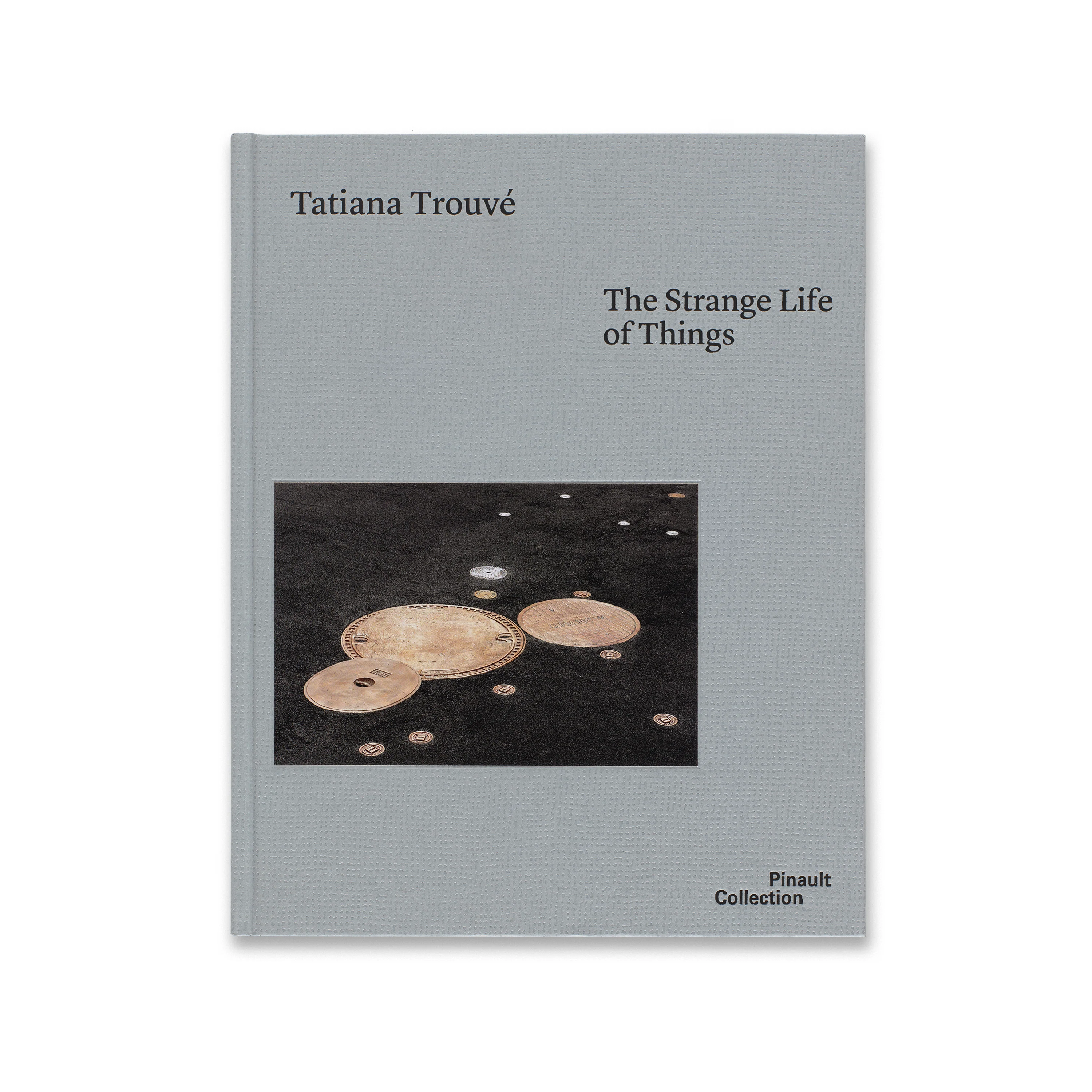
Description
This book was published on the occasion of Tatiana Trouvé: The Strange Life of Things at Palazzo Grassi, Venice. Organized in close collaboration with the artist, the exhibition is Trouvé’s largest to date, with works drawn from the Pinault Collection, international museums, and private collections, as well as the artist’s own archive. A constellation of new sculptures, large-scale drawings, and site-specific installations was arrayed across Palazzo Grassi’s three floors, alongside works from the past decade.
Fully illustrated with reproductions of over two hundred exhibited works, the trilingual (English/French/Italian) book also includes numerous texts providing insight on the artist’s practice. Following forewords by François Pinault and Bruno Racine, a conversation between Trouvé, Caroline Bourgeois, and James Lingwood explores the artist’s work in terms of transformation, displacement, circulation, and regeneration. Emma Lavigne introduces Trouvé’s work in relation to Venice and the Pinault Collection, while Racine outlines intersections between Trouvé’s art and Italo Calvino’s imaginative writing. Neville Wakefield’s essay “Dead Reckoning” considers themes of navigation and disorientation, while Barbara Casavecchia analyzes her use of minerals.